Plant
PlantFind the right light for your indoor plants
Understand direct, indirect and lower light, observe your room and choose a houseplant that suits the conditions you can offer.
By Plantify · Published and reviewed 12 October 2026
Choose the spot before the plant
That empty shelf may look perfect for a plant, but the plant has to live with the light there. Before choosing a species, spend a day observing the actual spot at leaf height. Look in the morning, around midday and later in the afternoon. A room that feels bright to you can still have a shaded shelf.
Notice trees, neighbouring buildings, curtains and overhangs. Window direction is useful context, but it is not the whole story. Climate, latitude and hemisphere also change how sunlight reaches a room.
Three useful descriptions
- Direct sun
- Sunbeams reach the leaves themselves. Their intensity and duration matter; a brief gentle beam differs from prolonged hot afternoon sun.
- Bright, indirect light
- A well-lit position without strong direct beams on the leaves, sometimes created with a sheer curtain or by moving out of the beam.
- Lower light
- A position with daylight but less available light energy. It is not a windowless room and does not mean that a plant can live in darkness.
Some plants tolerate lower light while growing more slowly. Flowering and dense growth can require more light than simple survival.
Match, then adjust thoughtfully
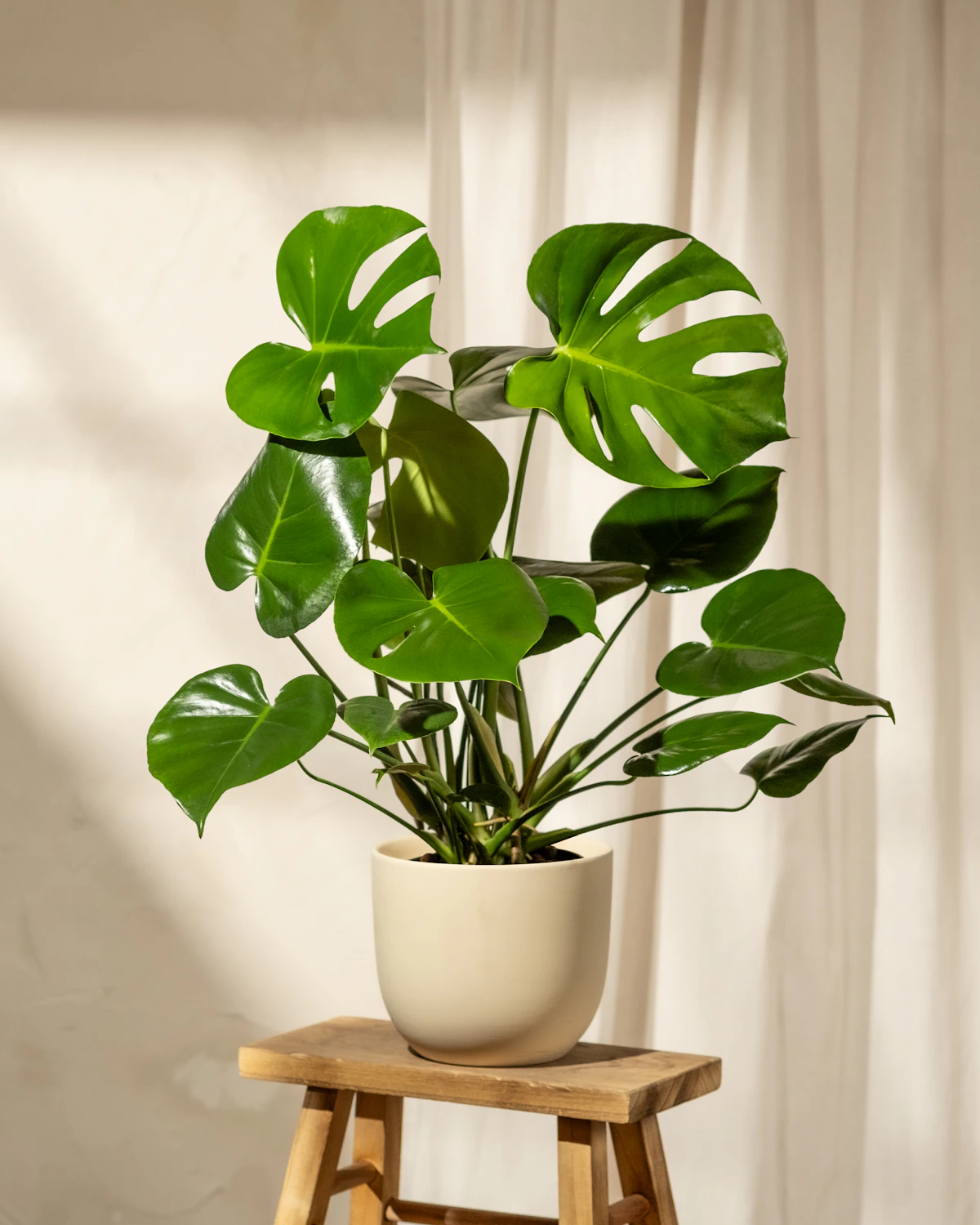
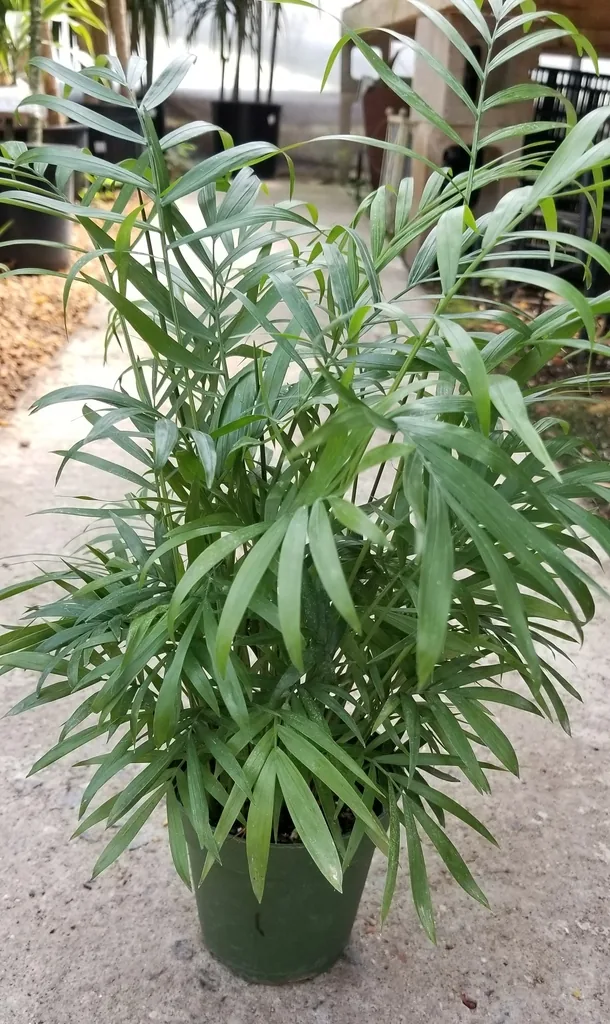
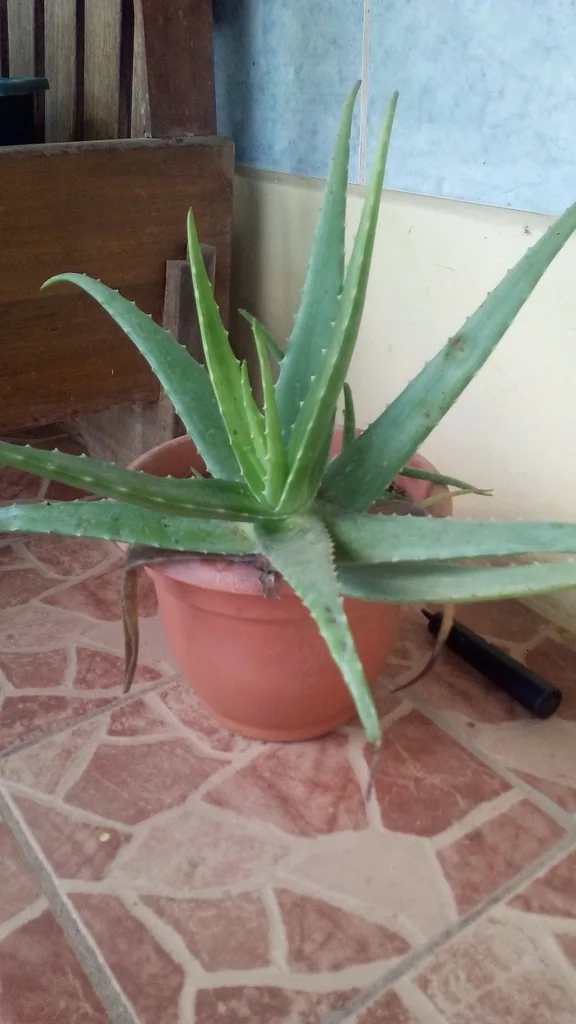
Start with the species rather than a generic “indoor plant” label. A parlor palm tolerates lower light; a Monstera prefers a brighter indirect position. Aloe is a better candidate for a genuinely sunny spot than a shade-adapted foliage plant.
Make changes gradually when introducing stronger sun. Check for scorching or bleaching, and remember that long spaces between leaves can be a clue that light is insufficient. These clues are starting points, not diagnoses on their own.
Make a little light map
Sketch three possible locations on paper and give each a simple note: direct beam, bright without a beam, or shaded daylight. Add the times you observed it. Then choose one location and compare it with a plant profile.
A useful experiment is to leave a small note beside an empty pot for a day before buying anything. It makes you notice whether that “bright corner” becomes dark by lunchtime. Repeat the observation when the season changes; your first map is a snapshot, not a permanent label.
Light changes the watering conversation
Plants in lower light often use water more slowly. If you move a plant, reassess the potting mix instead of carrying over its old watering routine. A better position and an appropriate moisture check work together.