Plant
PlantChoosing houseplants when you have cats or dogs
Check botanical names, understand non-toxic labels and compare four lower-risk houseplants for homes with cats and dogs.
By Plantify · Published and reviewed 12 October 2026
Start with the botanical name
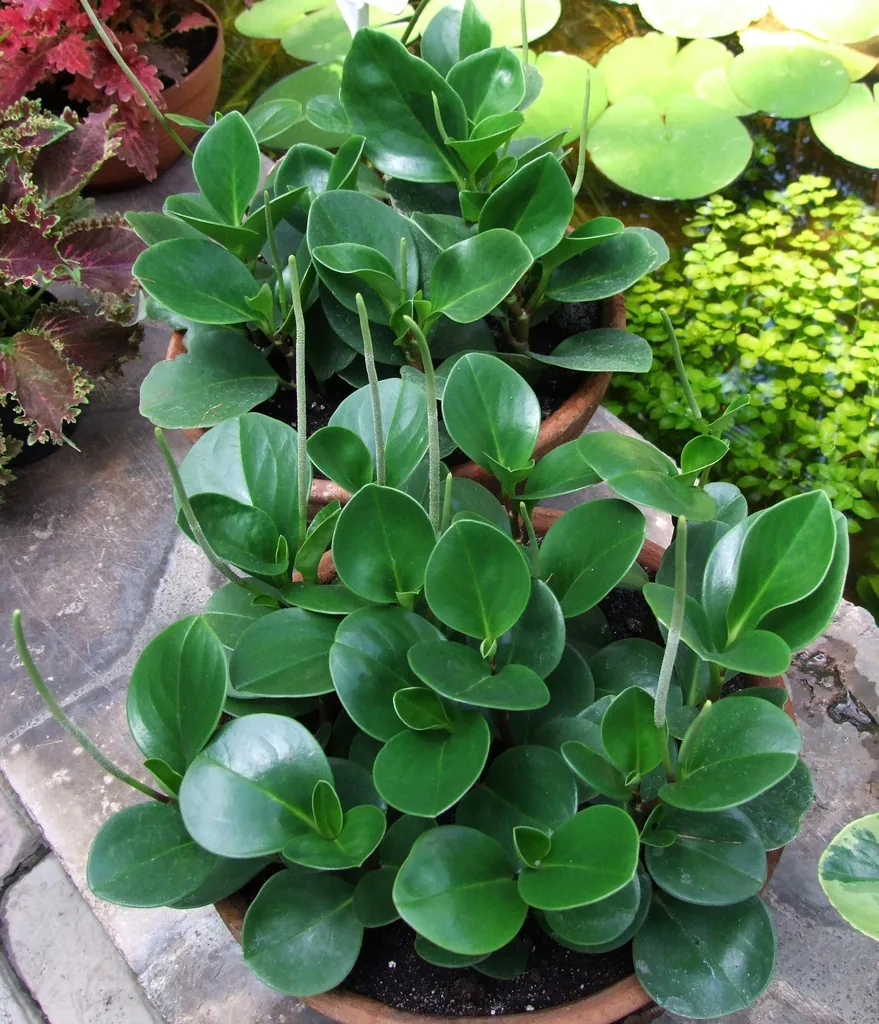
Common names can hide important differences. A baby rubber plant, Peperomia obtusifolia, is not a young rubber tree, Ficus elastica. Their pet-safety classifications differ. Likewise, the name “palm” alone is not enough to choose a plant.
Before buying, photograph the label and check the scientific name against a reliable veterinary plant database. Do not rely on appearance alone, a shop nickname or a general social-media list. A missing entry is not proof of safety.
What non-toxic does and does not mean
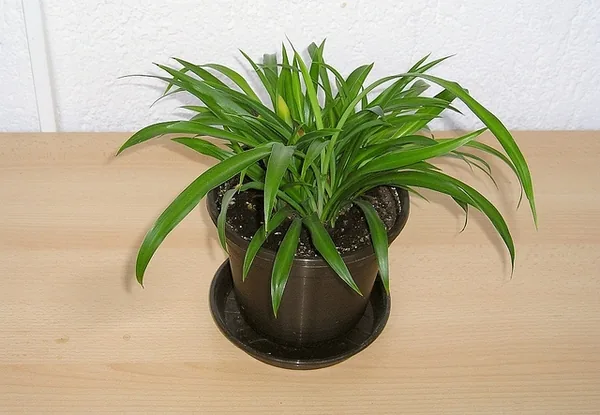
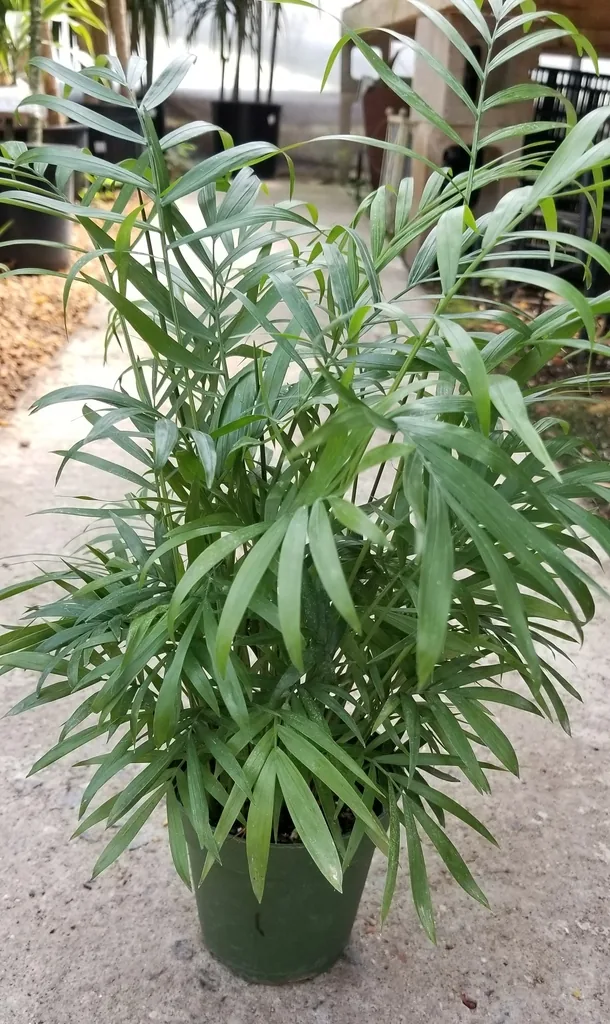
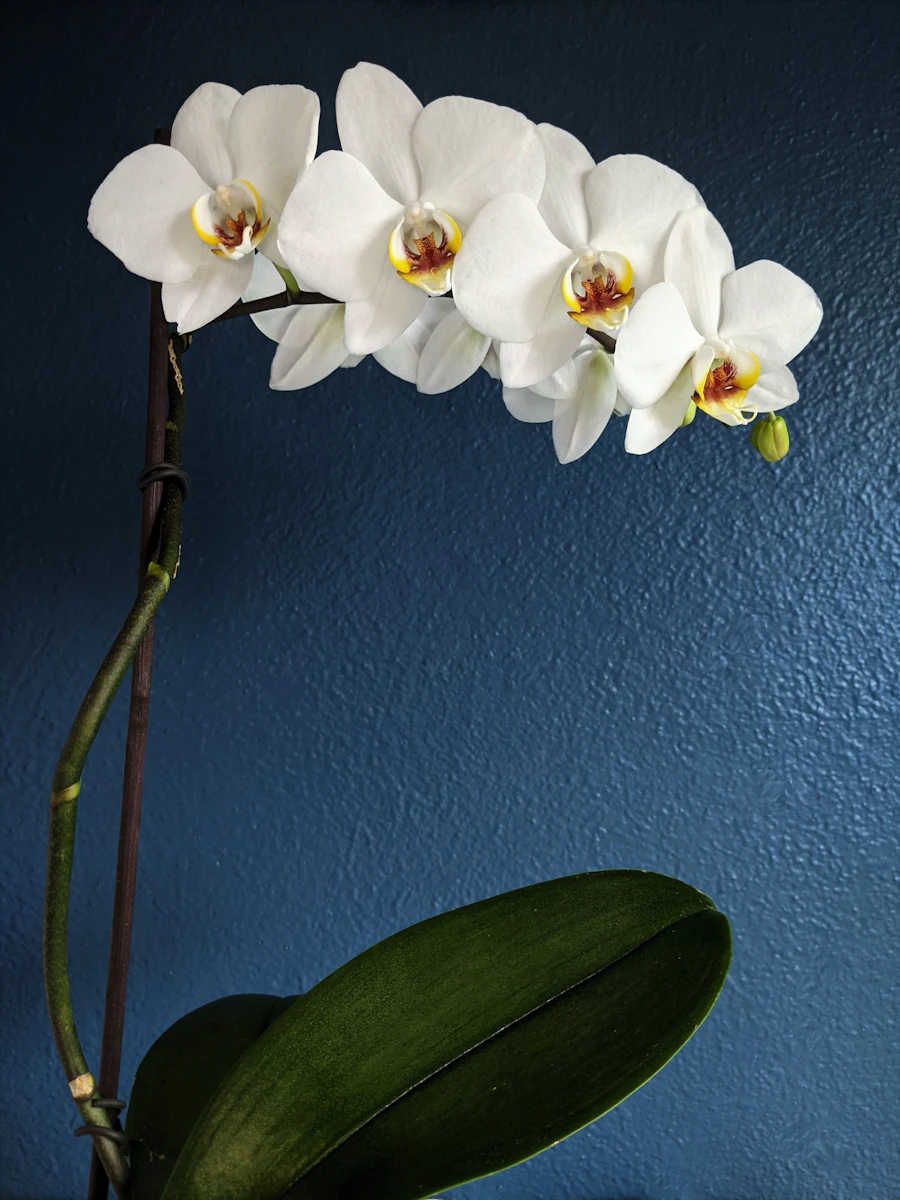
ASPCA lists spider plant, parlor palm, baby rubber plant and Phalaenopsis orchids as non-toxic to cats and dogs. That classification concerns those plants; it does not make them edible treats. Eating plant material can still cause stomach upset.
It also says nothing about a pesticide, fertiliser, decorative mulch or another material used with the plant. Keep care products separately and follow their labels. Plantify’s pet filter covers cats and dogs only, not every kind of companion animal.
Four plants to compare
- Spider plant: arching foliage for indirect light. Think about whether hanging plantlets will tempt a playful pet.
- Parlor palm: a feathery option that tolerates lower light. Check for the exact name Chamaedorea elegans.
- Baby rubber plant: a compact choice for a bright desk, with rounded leaves and modest watering needs.
- Moth orchid: a flowering option for gentle indirect light, provided you are comfortable checking bark and drainage.
All four still need a suitable growing position. Pet compatibility is one part of the decision, alongside light and the care you can provide.
Plan the placement before bringing it home
Walk through the proposed spot from your pet’s point of view. Is there a nearby chair to climb? Can a dangling stem or unstable pot be pulled down? Move the empty pot first and see whether the arrangement makes sense. This is a practical placement exercise, not a guarantee that an animal will never reach a plant.
If your pet is a determined chewer, choose non-toxic species rather than relying only on a high shelf to separate them from a toxic plant.
If you suspect an exposure
Contact your veterinarian promptly if your pet may have eaten a toxic plant or becomes unwell. Keep the plant’s name, label or a photograph available to help identification. An online plant guide cannot assess an individual animal or replace veterinary advice.